Mailing tube size chart
Common mailing tube sizes with use cases, plus how USPS and UPS dimensional rules apply to tubes. Pick the right diameter and length the first time.
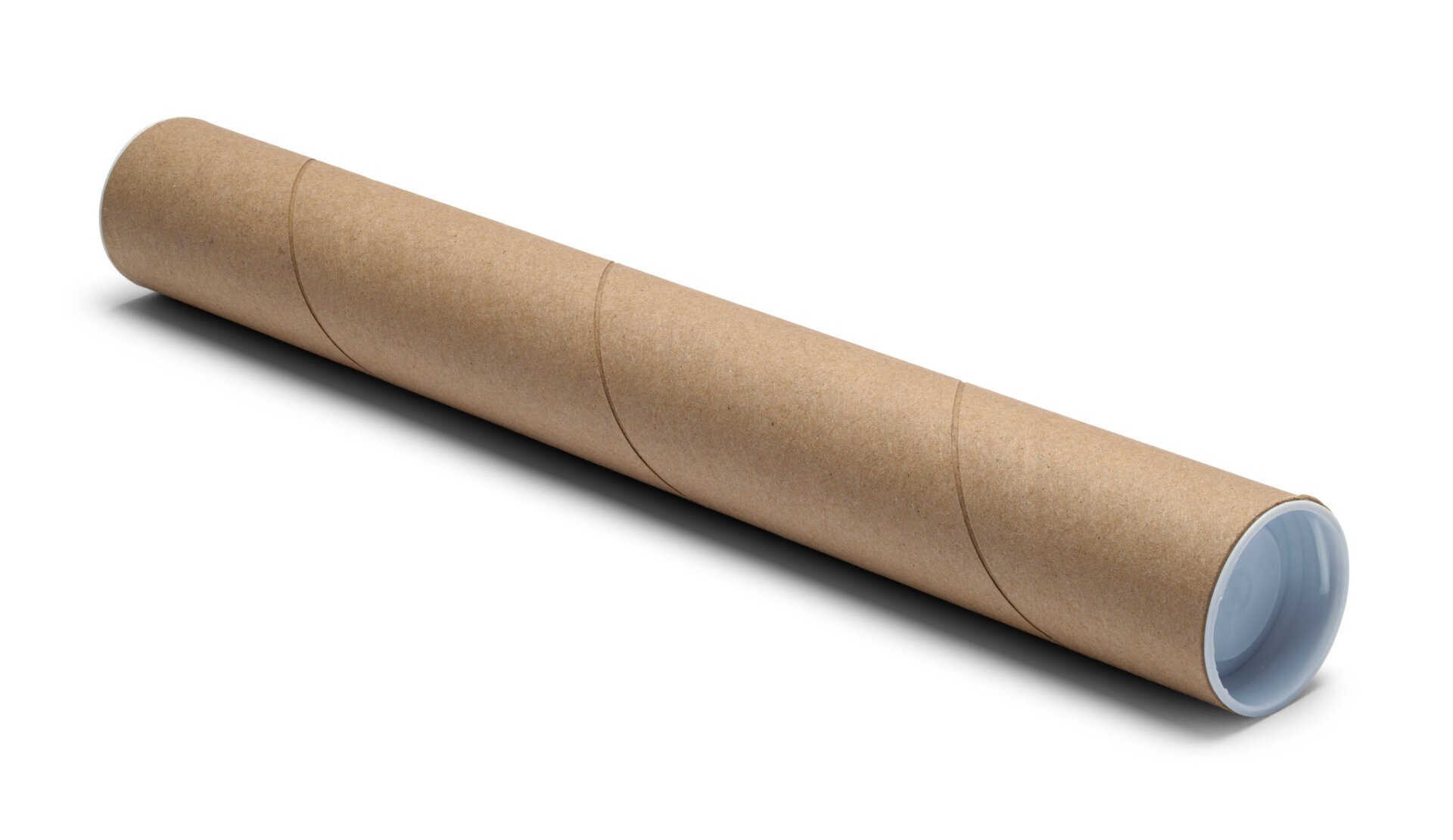
Pick the smallest ID that lets contents slide free — rolled paper gains diameter fast, so leave a finger of clearance. Then choose length about 1″ over the rolled width, and a wall that matches how rough the ride will be.
| Size (ID × L) | Wall | Carries |
|---|---|---|
| 2″ × 24″ | .060″ | Posters, prints, calendars |
| 2″ × 36″ | .060″–.080″ | Movie posters, charts |
| 3″ × 24″ | .080″ | Artwork, multiple prints |
| 3″ × 36″ | .080″–.100″ | Blueprints, maps, banners |
| 4″ × 48″ | .100″+ | Large-format graphics, textiles |
| Heavy-wall / telescoping | .115″+ | Fine art, rods, flags — see heavy-wall page |
Carrier math: parcel carriers price by length plus girth (girth ≈ 3.14 × diameter for a tube) and surcharge very long packages. Keeping tubes under carrier long-package thresholds usually saves more than thinner walls ever will. We will spec to your carrier rules — and print your brand on the tube while we are at it.
// RELATED: mailing & shipping tubes · heavy-wall & telescoping · quick-ship stock
Spec it today. Tubes this week.
FAQ
What diameter mailing tube do I need?
Roll the contents loosely, measure the coil, and add clearance — most posters ship happily in 2"–3" ID; thick stock and multiples want 3"–4".
Do long tubes cost more to ship?
Carriers apply length-plus-girth pricing and long-package surcharges, so an over-long tube can double the freight. Size to the content, not the catalog.
Can I get custom printed mailing tubes?
Yes — logo and artwork print with in-house design support, from short runs to volume programs.